Research less. Personalize more.
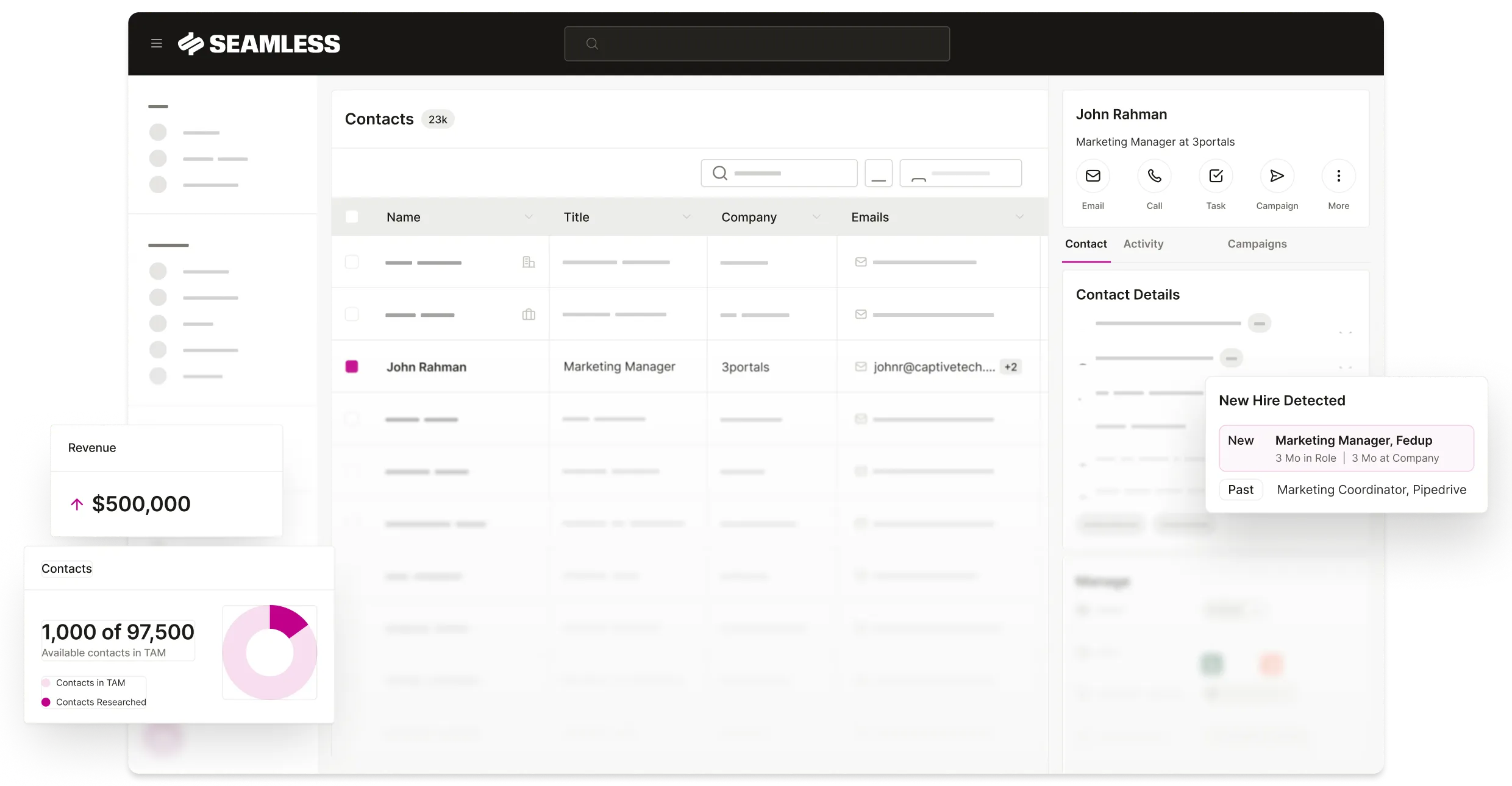
Pitch Intelligence compiles the insights that matter — from company overviews to tech stacks, hiring trends, news, and buying signals — so you can craft personalized outreach in seconds, not hours.


Turn research overload into repeatable revenue
Pitch Intelligence distills company data, growth indicators, and market signals into actionable insights — empowering your team to personalize every pitch with clarity, confidence, and speed.
- 1.3B+verified contacts
- 100+real-time data points per profile
- 414M+verified mobile numbers
The insight engine behind high-converting outreach
Pitch Intelligence transforms raw company data into structured, relevant insights — giving your reps the context they need to write stronger messages, handle objections, and start smarter conversations.
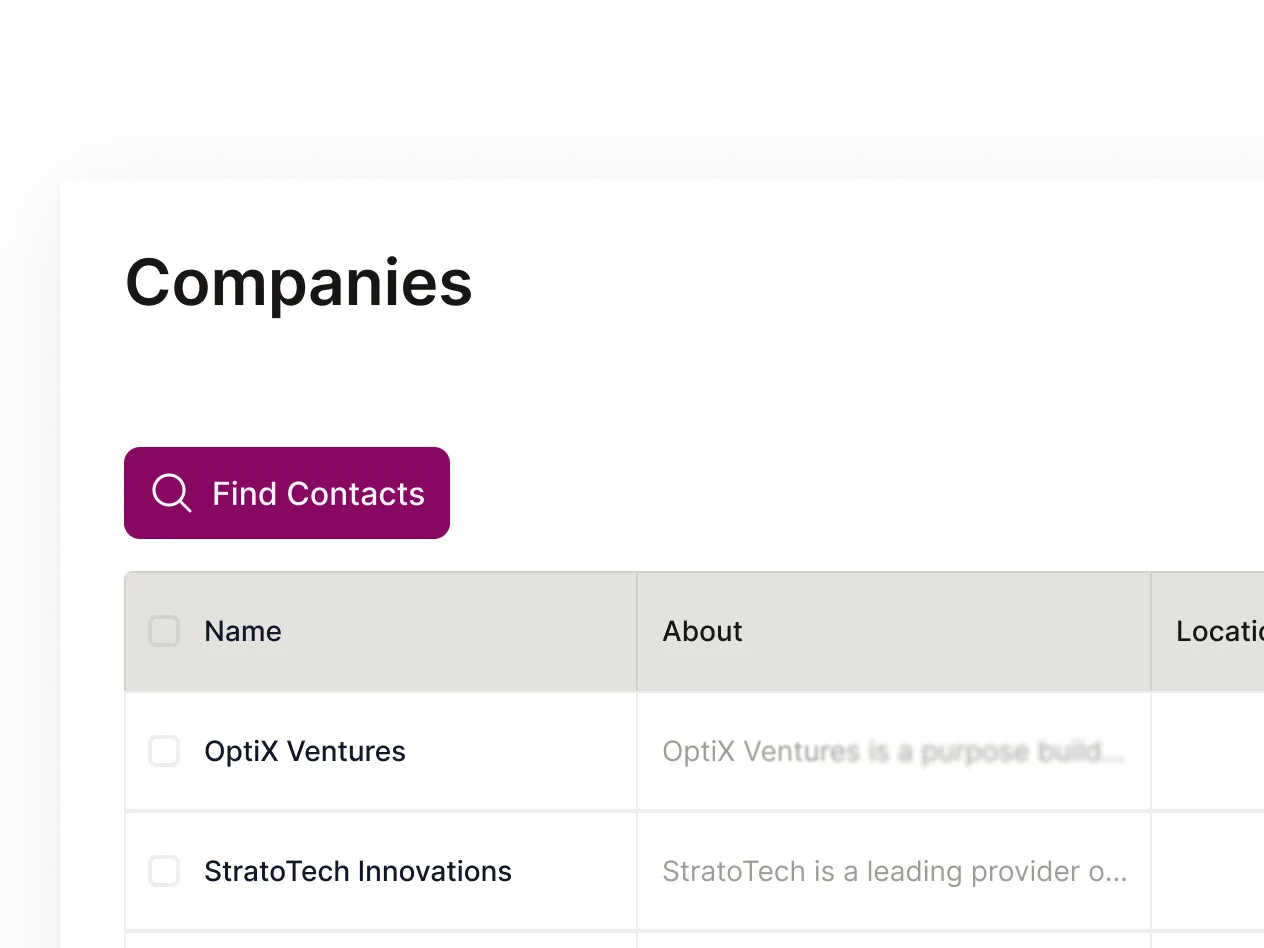
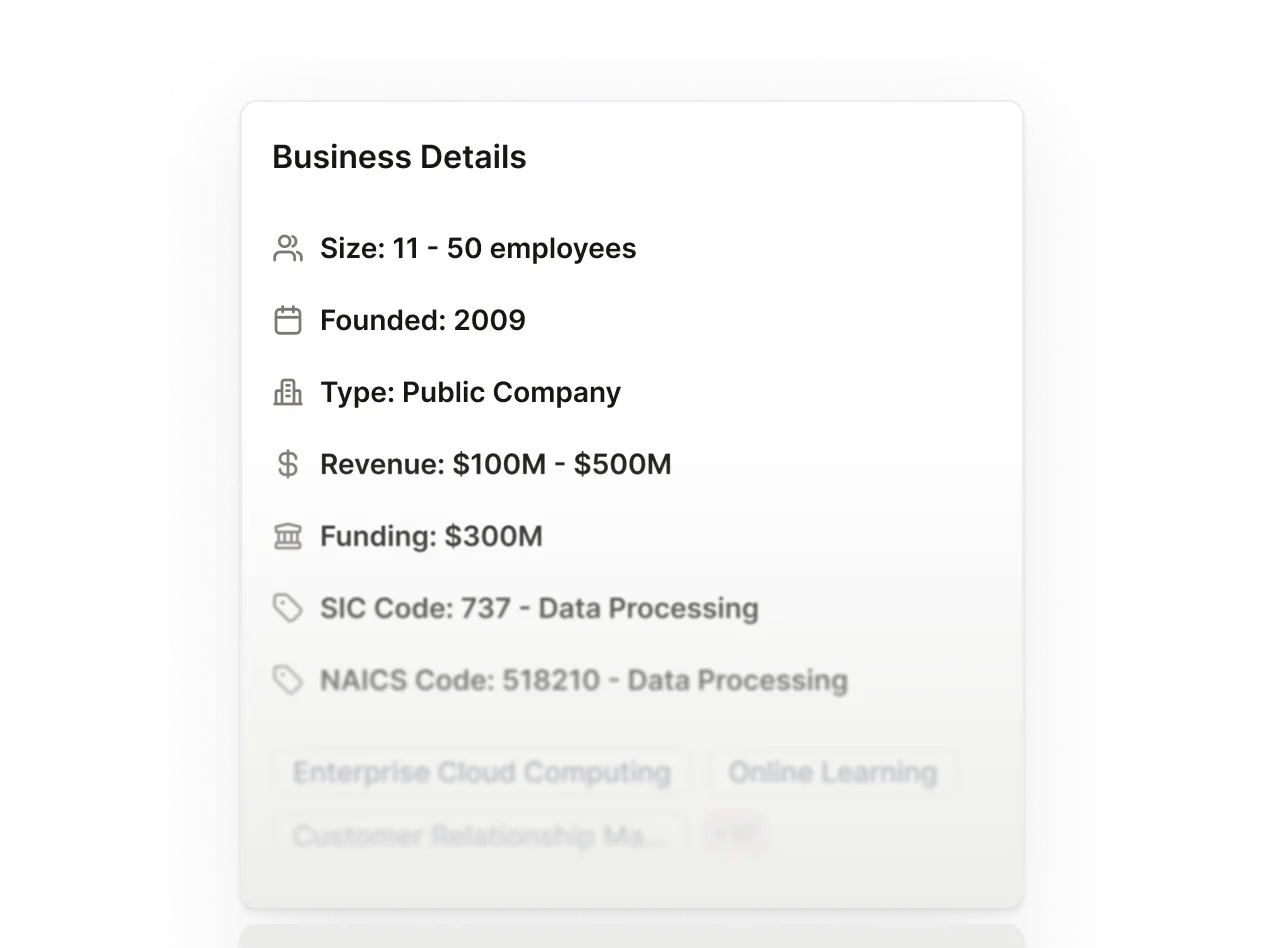
Instant company research in one view
See key facts fast — including company overview, industry, funding, size, leadership, and core offerings — all neatly compiled and easy to digest.

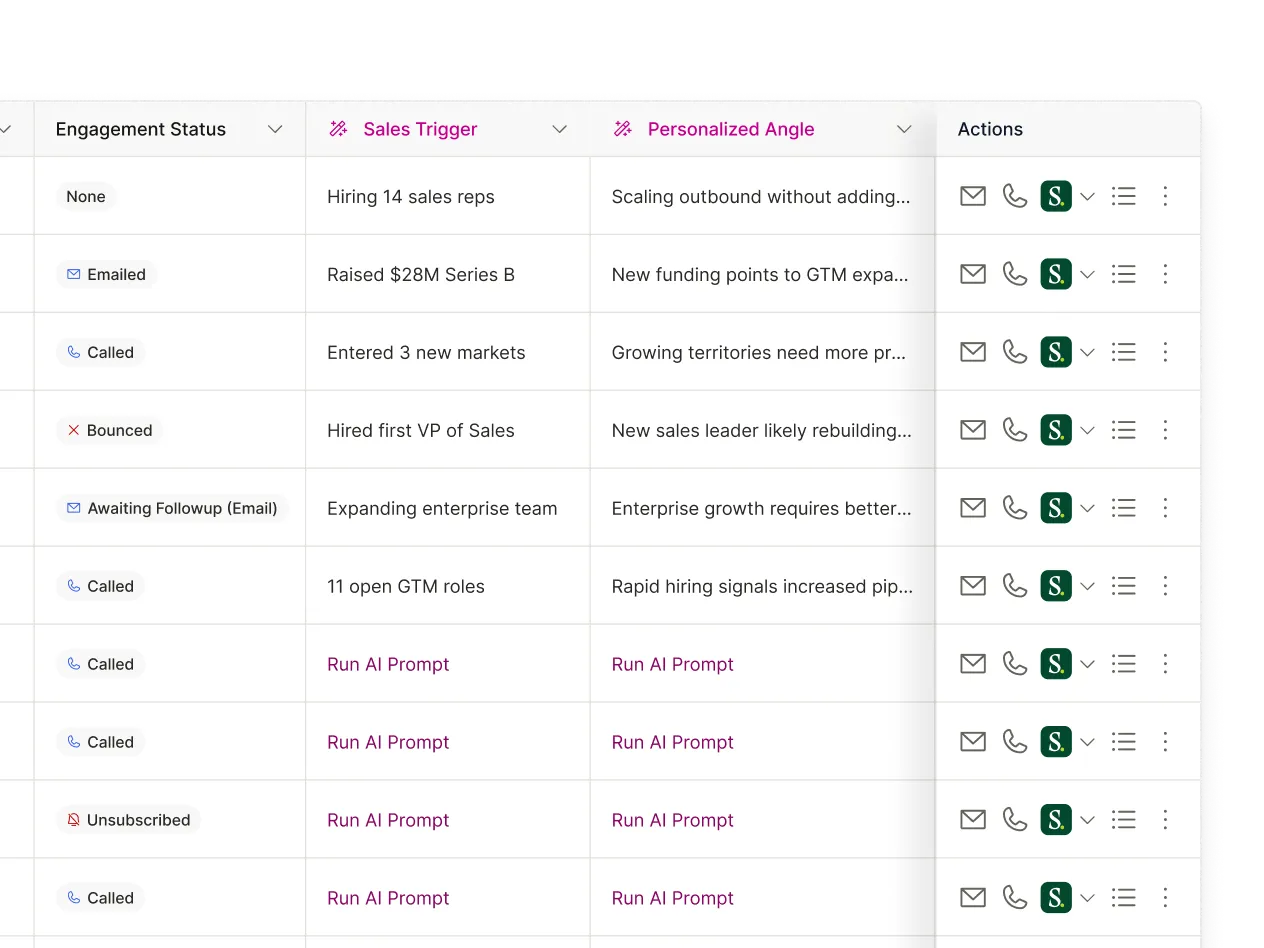
Find timely triggers that make your message stand out
Identify news, growth trends, hiring patterns, job postings, and tech stack changes that signal pain points, priorities, or upcoming initiatives worth referencing.

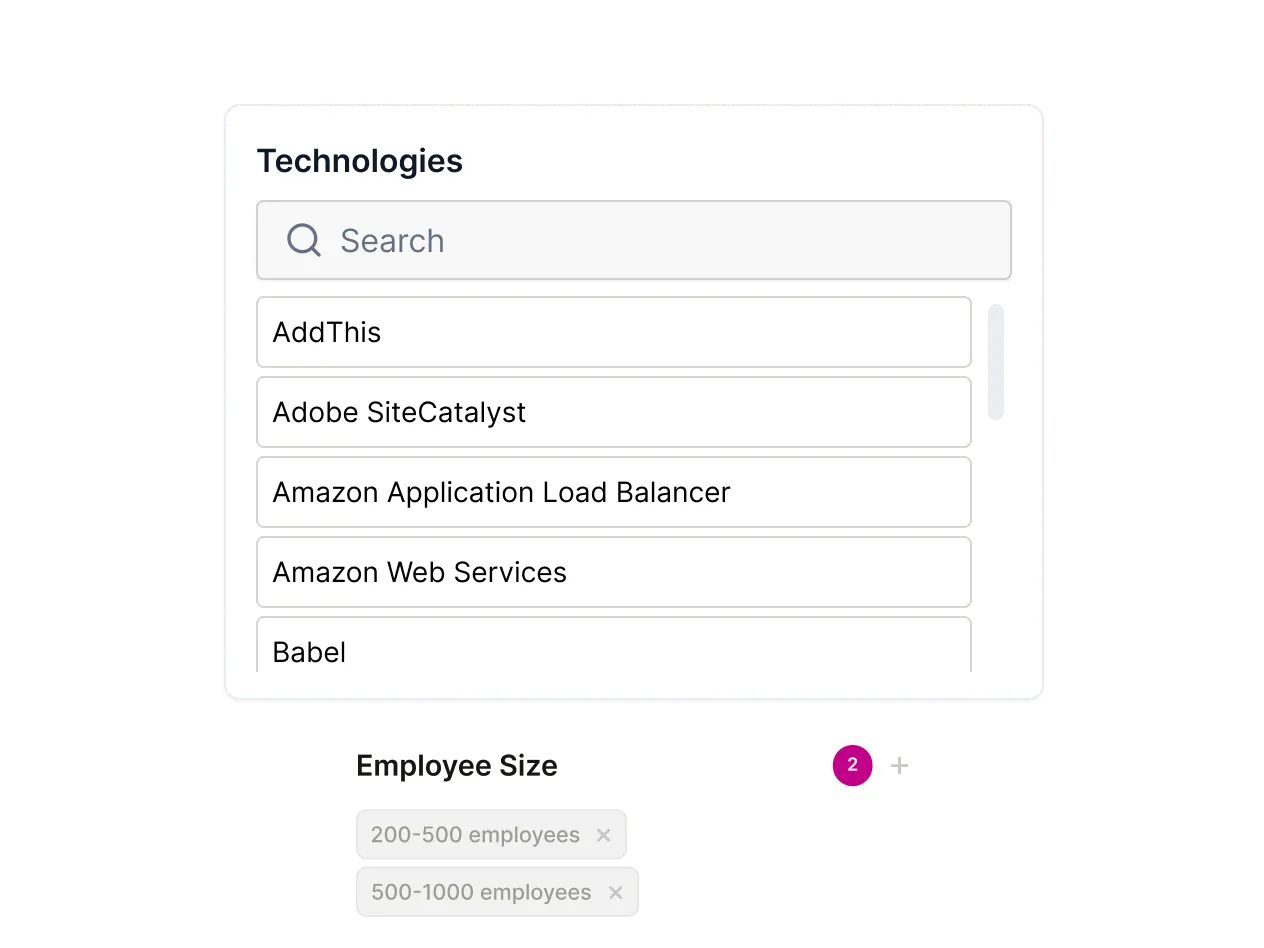
Understand what they use — and where they’re headed
View technology stacks, add-ons, and recent shifts to reveal competitive angles, integration opportunities, and value propositions your reps can leverage instantly.

Personalization that scales with your team
Equip every rep with consistent, high-quality insights and shareable notes — fueling messaging that’s relevant, targeted, and proven to increase reply rates.
Accelerate your entire GTM motion with connected AI
Pitch Intelligence powers personalization — and Seamless amplifies it with a connected Data Engine, Engagement Hub, and Automation Network that bring insights to every sequence, script, and sales touchpoint across your GTM workflow.

How to use AI to pitch?
Use AI to research your audience, extract relevant pain points and proof, and shape a tight pitch narrative (hook → value → proof → clear ask) tailored to each context. Let AI draft and refine emails, promotion decks, and one-pagers; as well as prepare concise Q&A and objection responses for training. Leverage automation to personalize at scale by merging CRM fields and public signals to generate channel variants, schedule follow-up cadences, run readability/spam checks, and assemble highlights to allow more time on strategy and relationship building, not mechanics. For best results, feed rich context and constraints, verify all claims, protect sensitive data, and keep your authentic voice. Measure outcomes with A/B tests and iterate based on real responses while adapting for each channel.
How does Pitch Intelligence work?
Pitch Intelligence is an AI-driven workflow that ingests your offer, personas, goals, and data, then mines public and internal signals to surface timely pains and triggers. It maps your value to each audience, generates on-brand narratives and assets (emails, scripts, decks), and personalizes them at scale with dynamic fields. Automation manages multi-step cadences, channel optimization, and automatically refreshes as new signals appear, while guardrails enforce accuracy, style, and privacy with human review. Performance is tracked with A/B tests and reply classification, feeding continuous learning to recommend the next best message or asset.
Is B2B pitch intelligence safe?
B2B Pitch Intelligence can be safe when built on an enterprise level platform and operated with strong privacy, security, compliance, and human oversight. Look for encryption, SSO/MFA, RBAC, audit logs, SOC 2/ISO certifications, clear DPAs and retention controls, governance guardrails, private model endpoints with approved retrieval sources, and deliverability compliance (consent, unsubscribe, SPF/DKIM/DMARC). Operate safely by minimizing shared data, keeping humans in the loop, grounding claims in cited documents, using respectful personalization, and monitoring accuracy, complaints, and deliverability. Mitigate key risks like hallucinations, data leakage, non-compliant outreach, brand damage, and bias, with source checks, claims libraries, tenant isolation/ settings, policy enforcement, tone/style guardrails, and fairness reviews. Bottom line: combine a compliant, well-controlled platform with clear policies, minimal data exposure, rigorous verification, and human review at key steps.
Does Seamless have pitch intelligence?
Seamless does have product feature called Pitch Intelligence. It uses Seamless’s contact/company data to help generate personalized outreach (email, LinkedIn, call scripts) with suggested angles, value props, and variants tailored to role, industry, and signals. A practical workflow is: build your target list in Seamless → open Pitch Intelligence for a contact/account → add your offer, proof points, and tone constraints → generate 2–3 variants → lightly edit for voice and accuracy → export to your sequencer/CRM and A/B test.
Is pitch intelligence the same as sales intelligence?
No. Pitch Intelligence and Sales Intelligence are related but not the same. Sales Intelligence: Data and analytics to find, prioritize, and understand accounts/contacts (firmographics, technographics, intent, buying committee, engagement). Outputs include scored lists, alerts, org maps, and account insights. KPIs: data coverage/accuracy, fit/intent precision, pipeline created, win rate lift via better targeting. Pitch Intelligence: AI that turns your context plus those signals into tailored narratives and assets (emails, LinkedIn DMs, call scripts, decks, Q&A/objection handling, follow-up cadences). KPIs: reply and meeting-booked rates, conversion by message variant, time-to-draft, content quality/consistency. How they work together: Use Sales Intelligence to decide whom to contact and when; feed those insights into Pitch Intelligence to decide what to say and how; run cadences in a sequencer and measure in your CRM to improve both. Tools often blur the lines (e.g., Seamless.AI adds Pitch Intelligence atop its data), so evaluate by the outputs you need: targeting vs. messaging.