This article compares Lead411 vs. Seamless to help sales teams understand how the two platforms differ across prospecting, contact data, buyer intent, enrichment, and sales workflow support.
Sales teams have never had more tools at their disposal. Yet research shows that reps still spend less than a third of their time actively selling, with the rest spent on admin work and research (McKinsey & Company). With that in mind, the value of a lead generation platform isn't measured by how many contacts it surfaces, but by how efficiently it helps your team find and engage the right prospects.
Here, platform selection becomes crucial. While both Lead411 and Seamless help sales teams discover contacts and build prospect lists, they take different approaches to data enrichment, prospecting workflows, automation, and sales execution.
In this comparison, we'll examine Lead411 vs Seamless AI across the most important capabilities for modern revenue teams so you can choose the most efficient platform for your needs.
TL;DR
Seamless is the better choice for sales teams that want a broader prospecting platform, while Lead411 is a strong fit for teams focused on contact data, buyer intent, and sales triggers.
Lead411 can work well inside an existing outbound stack, but Seamless takes it a step further by combining prospect discovery, enrichment, prioritization, automation, and sales engagement all in one streamlined workflow.
For growing revenue teams looking to reduce tool switching and build pipeline at scale, Seamless offers the more complete sales prospecting experience.
Overview of Lead411 vs Seamless AI
Lead411 and Seamless both operate in the sales intelligence and lead generation space, but they solve slightly different problems for revenue teams.
Lead411 is primarily positioned as a B2B data provider that combines contact information with buyer intent data, company intelligence, and sales triggers. Its value proposition centers on helping reps identify prospects who may be entering an active buying cycle. For many teams, Lead411 serves as a source of contact data and prospecting insights that feed outbound workflows.
Seamless approaches sales intelligence from a broader workflow perspective. In addition to helping teams discover contacts and companies, the platform supports prospecting, enrichment, prioritization, account research, and pipeline generation. Rather than functioning primarily as a data source, it aims to become part of the daily prospecting motion.
That distinction becomes important when evaluating how reps actually spend their time.
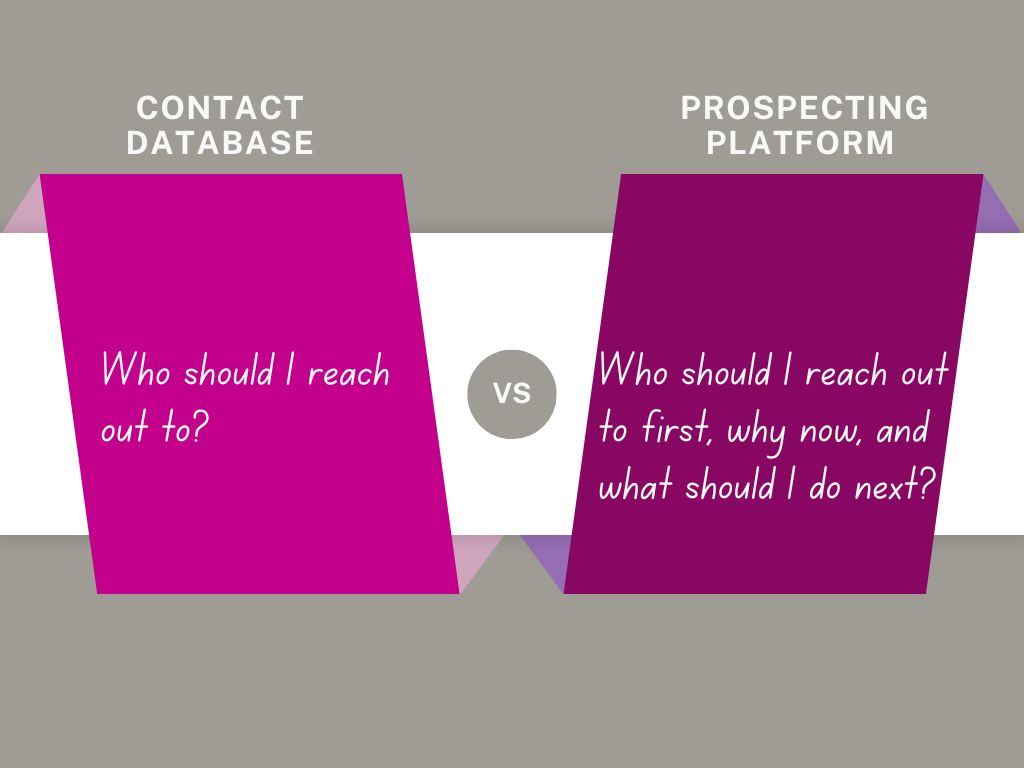
Contact database or prospecting platform? Which is right for you?
A contact database helps answer, "Who should I reach out to?"
A prospecting platform helps answer, "Who should I reach out to first, why now, and what should I do next?" (The European Business Review)
For organizations focused on building predictable outbound engines, those are very different questions.
Core Features Compared
At a feature level, both platforms provide access to contact and company data, but the workflows surrounding that data differ considerably.
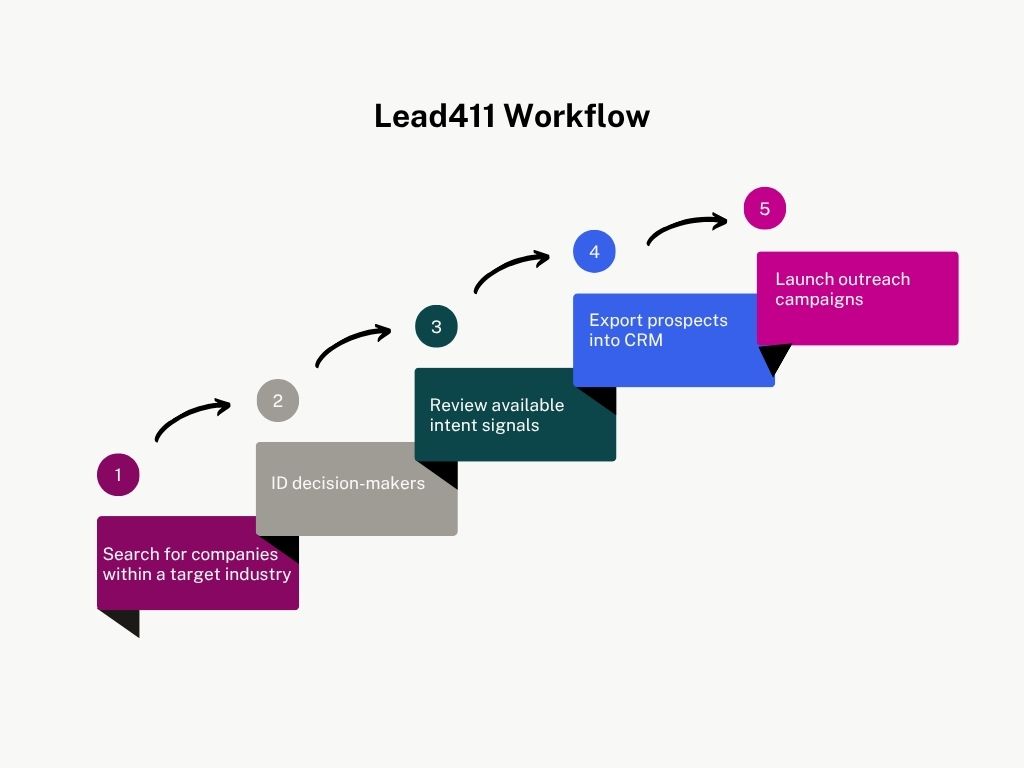
Lead411 combines contact records with company information, intent signals, sales triggers, and organizational data. A common Lead411 workflow might look like this:
A typical workflow with Lead411
Search for companies within a target industry
Identify decision-makers
Review available intent signals
Export prospects into CRM or sales engagement tools
Launch outreach campaigns
The platform is particularly focused on helping teams identify prospects who may be entering a buying cycle.
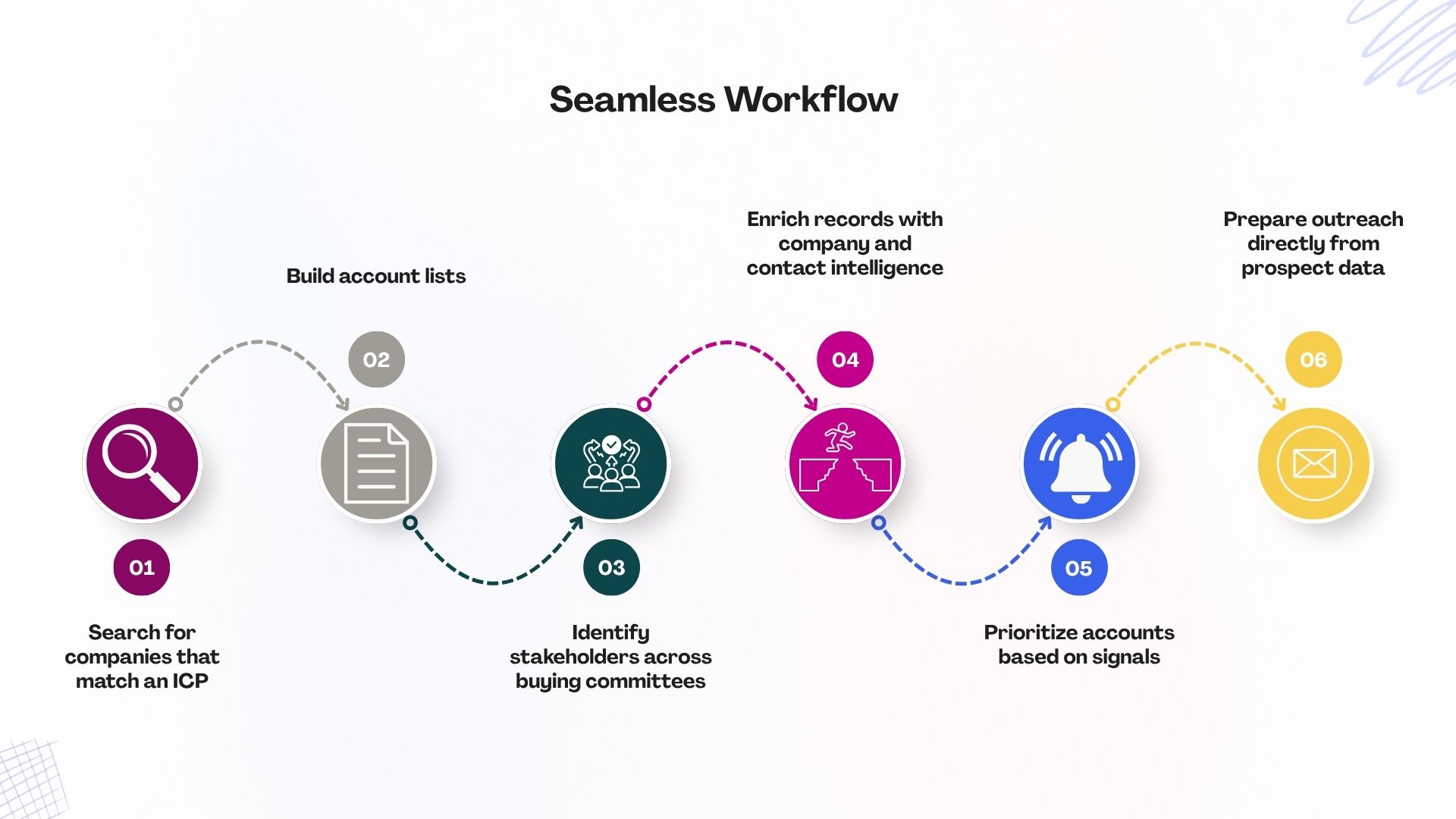
Seamless supports many of these same activities but extends further into prospect discovery and workflow execution. A typical Seamless workflow often includes:
The wins you can achieve with Seamless are endless
Searching for companies that match an ideal customer profile (ICP)
Building account lists
Identifying stakeholders across buying committees
Enriching records with company and contact intelligence
Prioritizing accounts based on signals
Preparing outreach directly from prospect data
Email and Phone Data Accuracy
While every prospecting platform promises data quality, what matters most to reps is whether the contact they're calling still works at the company they're targeting.
Lead411
Lead411 emphasizes verified contact data and maintains a database designed to support outbound sales teams. Email addresses, direct dials, and company information are continuously maintained to improve prospecting accuracy.
For many organizations, this creates a reliable source of contact information that can be used across outbound campaigns.
Pros:
Provides verified emails and direct dials
Built for outbound sales teams
Maintains contact and company records over time
Cons:
Accuracy still depends on how current the underlying record is
Contact verification is more database-centric than workflow-centric
Seamless
Seamless takes a similar view of verification but approaches accuracy as part of an ongoing enrichment process. Rather than treating contact discovery as a one-time event, the platform runs real-time verification and continuously updates records as company information, job titles, and organizational structures change.
Since sales data decays quickly, maintaining current prospect intelligence can be just as important as discovering new prospects.
Pros:
Real-time verification during prospecting
Supports ongoing enrichment of contact and company records
Combines contact accuracy with broader account intelligence
Cons:
Broader data workflows can require more setup
Teams may need to configure enrichment and CRM workflows to get the most value
Buyer Intent and Prospecting Features
This is one of the most significant areas of differentiation between Lead411 and Seamless.
Lead411
Lead411 places substantial emphasis on buyer intent and sales triggers. Its platform helps users identify signals that may indicate buying activity, such as research behavior, company growth indicators, or organizational changes.
For organizations heavily focused on intent-driven prospecting, this can provide valuable direction. Instead of working through a static account list, reps can prioritize companies that appear more likely to be entering an active buying cycle.
However, buyer intent is primarily a prioritization signal. Sales teams still need to identify decision-makers, build account maps, enrich records, and coordinate outreach across multiple stakeholders.
Pros:
Strong emphasis on buyer intent and sales triggers
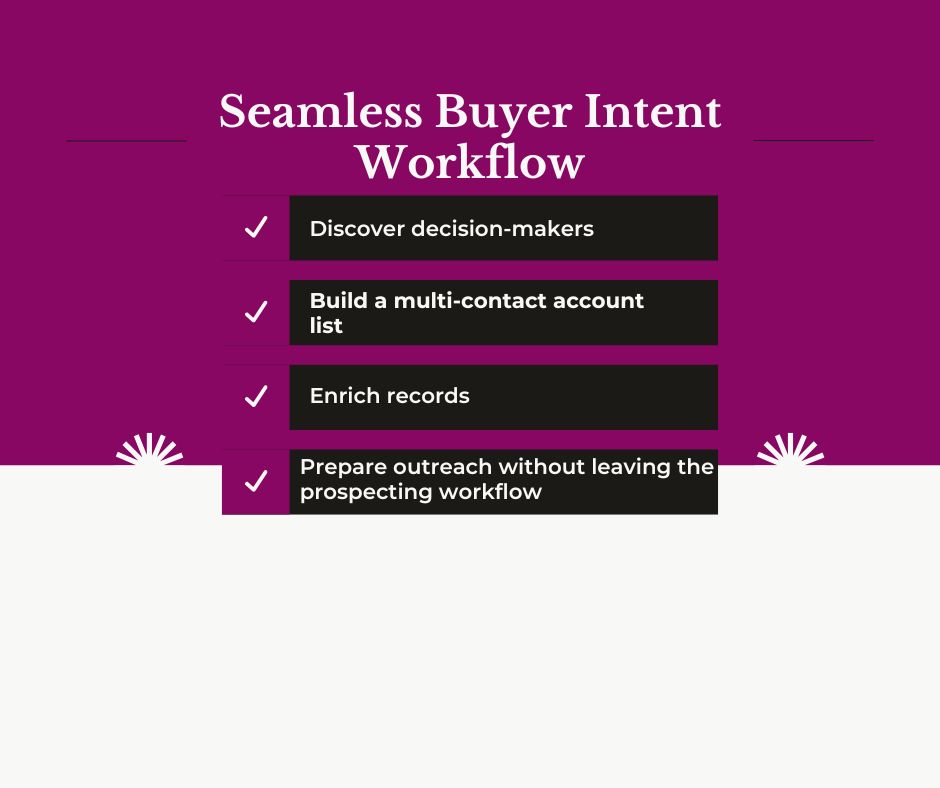
Prepare outreach without leaving the prospecting workflow
In larger buying committees, purchasing decisions may involve ops, finance, IT, procurement, and executive leadership (ScienceDirect). That makes the ability to move from a signal to the right people inside the account especially valuable.
Pros:
Combines buyer intent with contact and account discovery
Supports multi-contact prospecting within target accounts
Helps teams move from signal to outreach in one workflow
Adds enrichment and prioritization around intent data
Cons:
Broader functionality can require more onboarding
May be more than a team needs if buyer intent is the only priority
Did you know you can do more with Buyer Intent than just get buying signals?
Ease of Use and Integrations
Ease of use often depends on the complexity of the workflow being supported.
Lead411
Lead411 is generally focused on contact discovery, intent data, and prospect research. New users can often learn the workflow quickly because the primary motion is straightforward: identify prospects, review available signals, and move those contacts into existing sales or outreach systems.
This narrower focus can make Lead411 relatively simple to adopt, particularly for teams that already have a CRM, sequencing platform, and enrichment workflow in place.
Pros:
Straightforward learning curve
Focused user experience
Easy fit for teams with an existing sales stack
Simple process for moving contact data into downstream tools
Cons:
More dependent on external systems for broader workflows
Teams may need multiple platforms for enrichment, sequencing, and execution
More handoffs between prospecting and outreach tools
Seamless
Seamless supports a broader set of prospecting activities, which naturally creates a richer user environment.
Seamless also connects with the tools revenue teams already use to move prospect data into action. It integrates with major CRMs including Salesforce, HubSpot, Microsoft Dynamics, Pipedrive, Zoho CRM, Keap, and Insightly, allowing teams to move researched contacts and companies into their CRM, map fields, reduce duplicate records, and keep existing data enriched.
For example, the Salesforce integration lets reps push prospect data into Salesforce while using Seamless to find emails, mobile numbers, org-chart information, and company intelligence. The HubSpot integration can automatically import leads, enrich existing contact and company records, add 100+ data points to CRM profiles, and use match-score controls to reduce duplicate imports.
Seamless also integrates with sales engagement platforms such as Salesloft, Outreach, and Mixmax. With Salesloft, teams can enrich existing contacts with verified emails and phone numbers, bulk import prospect lists, and bring job-role, company, and buying-signal intelligence into the engagement workflow before reps start outreach.
For teams building more customized GTM workflows, Zapier connects Seamless with 6,000+ applications, including Gmail, Google Sheets, and Slack. That makes it possible to automatically send newly found contacts into a CRM, update a spreadsheet, trigger internal alerts, or create multi-step workflows that move a prospect from discovery to enrichment to outreach without manual data entry. Seamless also supports AI and automation tools such as ChatGPT, Claude, n8n, and Breeze Prospecting Agent.
That broader functionality can require more onboarding, but it also reduces reliance on multiple point solutions. Teams can move through more of the prospecting process without switching between separate systems for research, enrichment, CRM updates, prioritization, and outreach preparation.
Pros:
Supports more of the prospecting workflow in one platform
Reduces manual handoffs between research and execution
Integrates prospecting, enrichment, and account intelligence
Better suited for larger or more complex revenue teams
Cons:
More features can create a steeper learning curve
Setup may take longer for teams with complex CRM or workflow requirements
Get all your prospecting bases covered with Seamless
Pricing and Value for Sales Teams
When it comes to pricing, Lead411 and Seamless package value differently.
Lead411
Lead411 offers publicly listed plans that make it relatively easy to estimate costs upfront (Lead411).
Its Spark plan starts at $49 per month and includes 1,000 monthly exports, verified emails, direct phone numbers, company data, CRM customizations, company news updates, and AI search capabilities.
Teams that commit annually also gain access to buyer intent data, while larger organizations can move into Ignite or Blaze plans for increased export limits, API access, and unlimited data options.
For small sales teams, startups, and organizations primarily looking for contact data and intent signals, this transparency can make budgeting straightforward.
Pros:
Publicly listed pricing
Easy to estimate monthly costs
Entry-level plans can work well for smaller teams
Clear export-based packaging
Cons:
Export limits can become more relevant as usage grows
Broader sales workflows may still require additional tools and costs
Seamless
Seamless takes a more customized approach to pricing. Rather than centering pricing primarily around export limits, the platform packages value around broader team and workflow requirements.
The Pro plan includes unlimited exports, annual credit packages, real-time contact discovery, company search, premium integrations, Connect, job-change tracking, API access, and administrative controls.
Additional capabilities such as Buyer Intent, Data Enrichment, AI Assistant, and Autopilot can be added as teams scale.
For smaller teams, the most important question may be cost per contact. Larger revenue organizations are more likely to evaluate how much rep time a platform saves, how many workflows it can consolidate, and how effectively it can support pipeline generation across the team.
Pros:
Pricing can scale with broader workflow needs
Supports more capabilities beyond contact discovery
Can reduce reliance on multiple point solutions
Better suited for larger and more complex sales organizations
Cons:
Pricing is less transparent upfront
Teams may pay for broader capabilities they do not need if their use case is narrow
That’s why Lead411 often appeals to teams looking for a transparent, intent-focused data provider, while Seamless is more likely to be evaluated as a broader prospecting and workflow platform.
Pros and Cons of Each Platform
Understanding the right choice between Lead411 vs Seamless AI for your organization means recognizing the pros and potential cons of each:
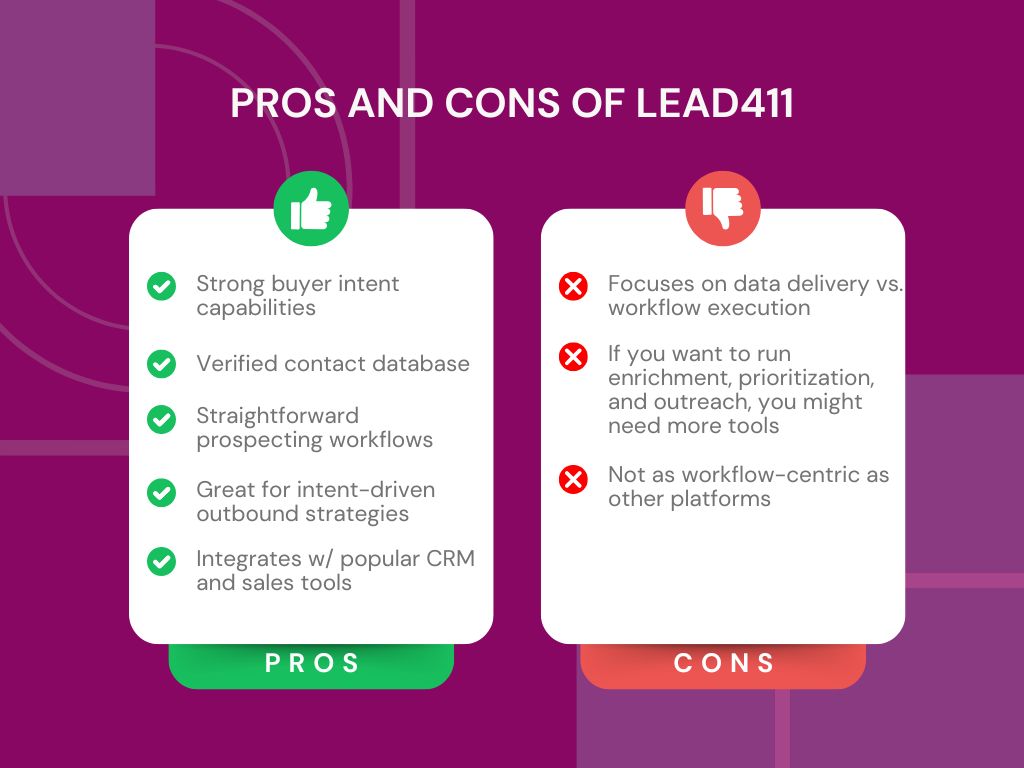
The good and bad of Lead411
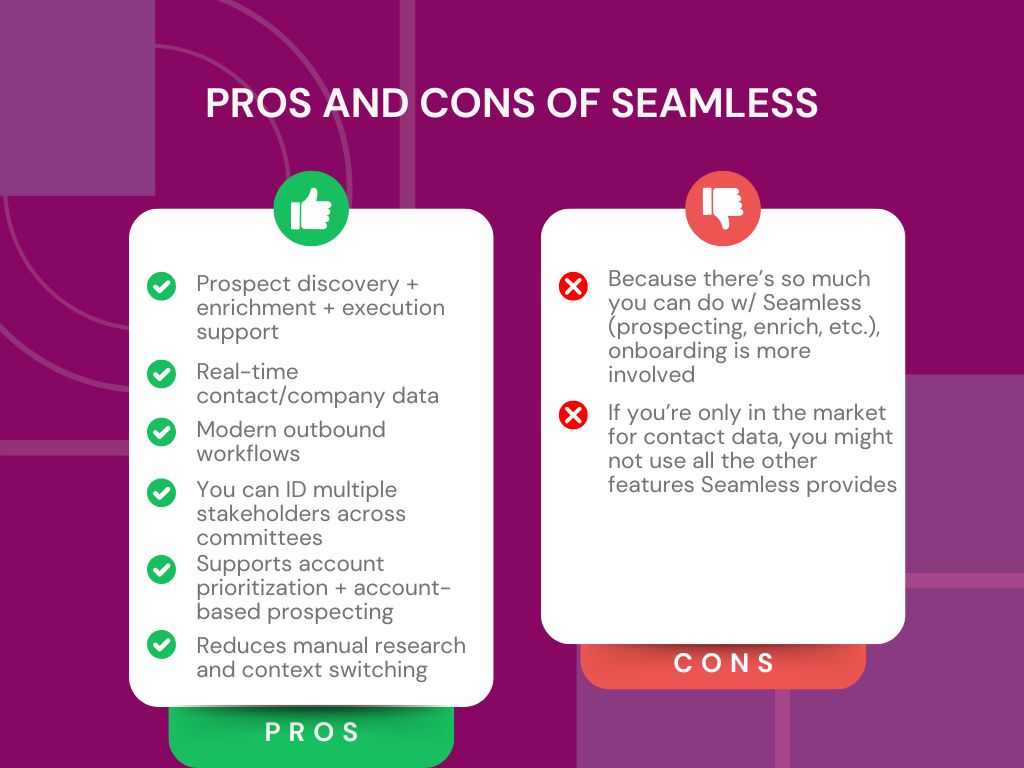
Is Seamless the right fit for you?
Which Tool Should You Choose?
The answer depends on where your team spends the most time today, and where you want to eliminate friction tomorrow.
If your sales process is heavily driven by buyer intent signals and prospect research, Lead411 may be the stronger fit. Teams that already have established outbound workflows, sequencing platforms, and enrichment tools often use Lead411 as a source of contact data and purchase-intent insights.
However, as account volumes increase, reps typically spend less time looking for opportunities and more time managing the complexity around them. They need to identify multiple stakeholders, keep contact records current, enrich accounts with additional context, and decide where to focus their efforts first. At that point, finding data becomes only one piece of the equation.
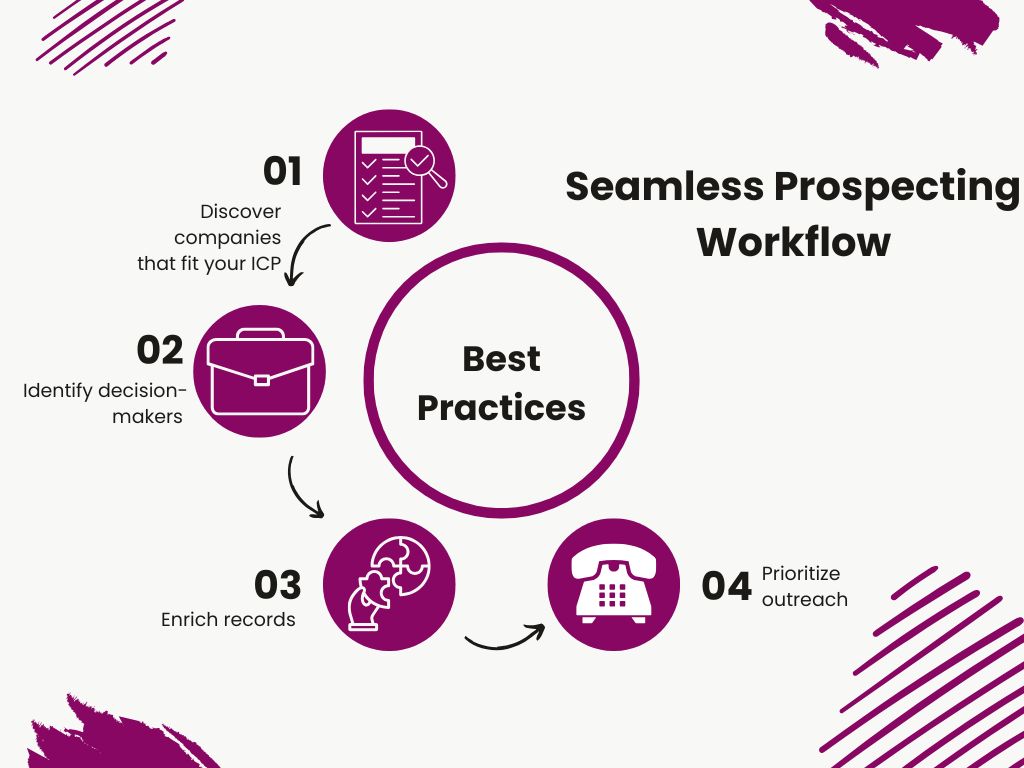
That's where Seamless stands out. Seamless supports a broader prospecting workflow. Teams can:
Prospecting best practices with Seamless
Discover companies that fit their ICP
Identify decision-makers across buying committees
Enrich records with company intelligence
Prioritize outreach without constantly switching between systems
Team size should also factor into your decision.
Lead411 vs. Seamless: What's the right tool for you?
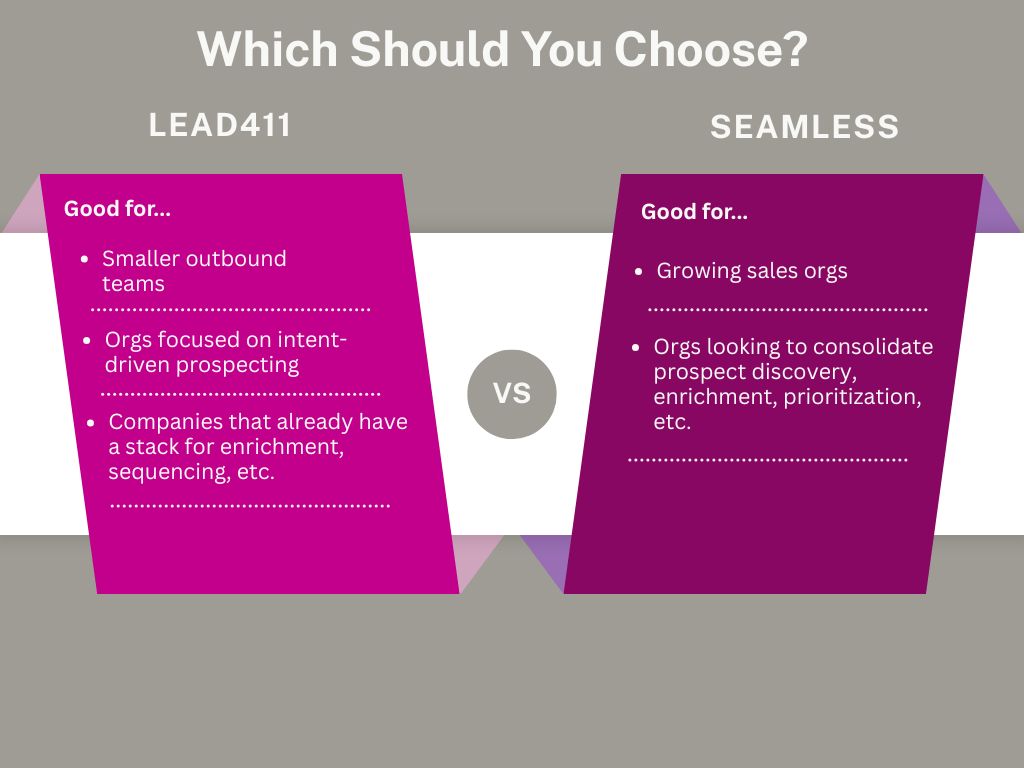
Lead411 may be a good fit for: Smaller outbound teams, organizations focused on intent-driven prospecting, and companies that already have established tools for enrichment, sequencing, and sales execution.
Seamless may be a better fit for: Growing sales organizations, account-based sales teams, and revenue teams looking to consolidate prospect discovery, enrichment, prioritization, and pipeline creation into a more unified process.
Side-by-Side Feature Comparison Table
The real difference between two sales tools often shows up in how they fit into the day-to-day work of a revenue team. The table below puts the key areas we've covered in this article side by side so you have a cleaner way to evaluate where each platform may fit in your sales stack.
Feature / Capability
Lead411
Seamless
Primary Use Case
B2B contact data, buyer intent, company intelligence, and sales triggers
Your agents need time to focus on what they do best: selling.
Yet too many sales teams still lose hours every week to prospect research, list building, contact verification, and administrative work that never directly creates revenue. This is all because the prospecting process often requires reps to piece together context before a meaningful conversation can even begin.
The future of pipeline generation belongs to teams that remove friction from execution. Both Lead411 and Seamless help sales reps uncover opportunities, but if your goal is to move from insight to engagement faster, Seamless is your best option.
Ready to put prospecting on autopilot and give your team more selling time? Explore Seamless today.
Frequently Asked Questions: Lead411 vs. Seamless
What is the main difference between Lead411 and Seamless.AI?
The main difference between Lead411 and Seamless.AI is the scope of the prospecting workflow. Lead411 provides B2B contact data, buyer intent signals, and sales triggers. Seamless combines contact and company discovery with data enrichment, prospect prioritization, automation, and sales engagement capabilities designed to support a broader prospecting workflow.
Is Lead411 or Seamless.AI better for sales prospecting?
Seamless.AI is better for teams looking to manage the prospecting process within one platform. With Seamless, teams can identify target companies and prepare for outreach. Lead411 may be better if your team wants contact data, sales triggers, and buyer intent signals to feed into an existing sales stack.
Which has more accurate emails and phone numbers, Lead411 or Seamless.AI?
Lead411 and Seamless.AI provide verified B2B contact data, but Lead411’s emails are triple-verified and re-verified every three to six months, while Seamless uses real-time AI verification for contact data.
In order to test Seamless’ accuracy, sign up for free and test our data against your target market.
Which is better for B2B lead generation: Lead411 or Seamless.AI?
Seamless.AI is better suited for broader B2B lead generation, while Lead411 is a strong option for teams focused on contact data and buyer intent. Seamless helps teams discover target accounts, identify decision-makers, enrich records, prioritize prospects, and build lists within a more complete prospecting workflow.
Which tool is better for account-based sales: Lead411 or Seamless.AI?
Seamless.AI is better suited to teams that need to generate B2B leads at scale and manage the steps surrounding lead discovery. Reps can search for companies that match their ideal customer profile, identify stakeholders, enrich prospect information, and build targeted lists. Lead411 is particularly useful for teams that want B2B contact information combined with intent signals and sales triggers.
Is Seamless accurate?
Yes, Seamless is accurate for finding and verifying B2B contact and company data in real time. The platform helps reduce stale records by continuously searching for current business emails, phone numbers, company details, and employment information as users prospect.
No B2B database is 100% accurate because business information changes constantly.
Sales intelligence and prospecting expert with years of experience to help sales teams grow and hit quota. Voted one of the top startups in America and rated as the highest software in Customer Satisfaction from G2 best software awards in 2025. Join our Reddit community for more product updates and sales tips. https://www.reddit.com/r/Seamless_AI/